

Navigating Warrants in Fort Worth, Texas: Expert Guidance from Warrant Attorney Chelsi McLarty
Every day in Fort Worth, Arlington, Mansfield, and the surrounding Tarrant County communities, individuals are unexpectedly encountered—whether on the road, at home, or in the workplace—and transported to jail due to outstanding warrants. Many more live with the constant anxiety of knowing an unresolved court date or unpaid ticket has led to a warrant hanging over their heads. Tarrant County conducts frequent warrant roundups, during which law enforcement officers intensify their efforts to locate and apprehend everyone with active warrants. Simultaneously, officers may arrive at residences unannounced to execute search warrants as part of ongoing criminal investigations. While the prospect of a warrant can feel overwhelming and intimidating, addressing it promptly with professional help can transform a stressful situation into a manageable resolution.
If you’re facing this in Fort Worth, reaching out to a dedicated Tarrant County criminal defense attorney like Chelsi McLarty at The McLarty Law Firm is your first step toward avoiding public embarrassment, an unanticipated arrest, or the intrusion of an unexpected search and seizure.
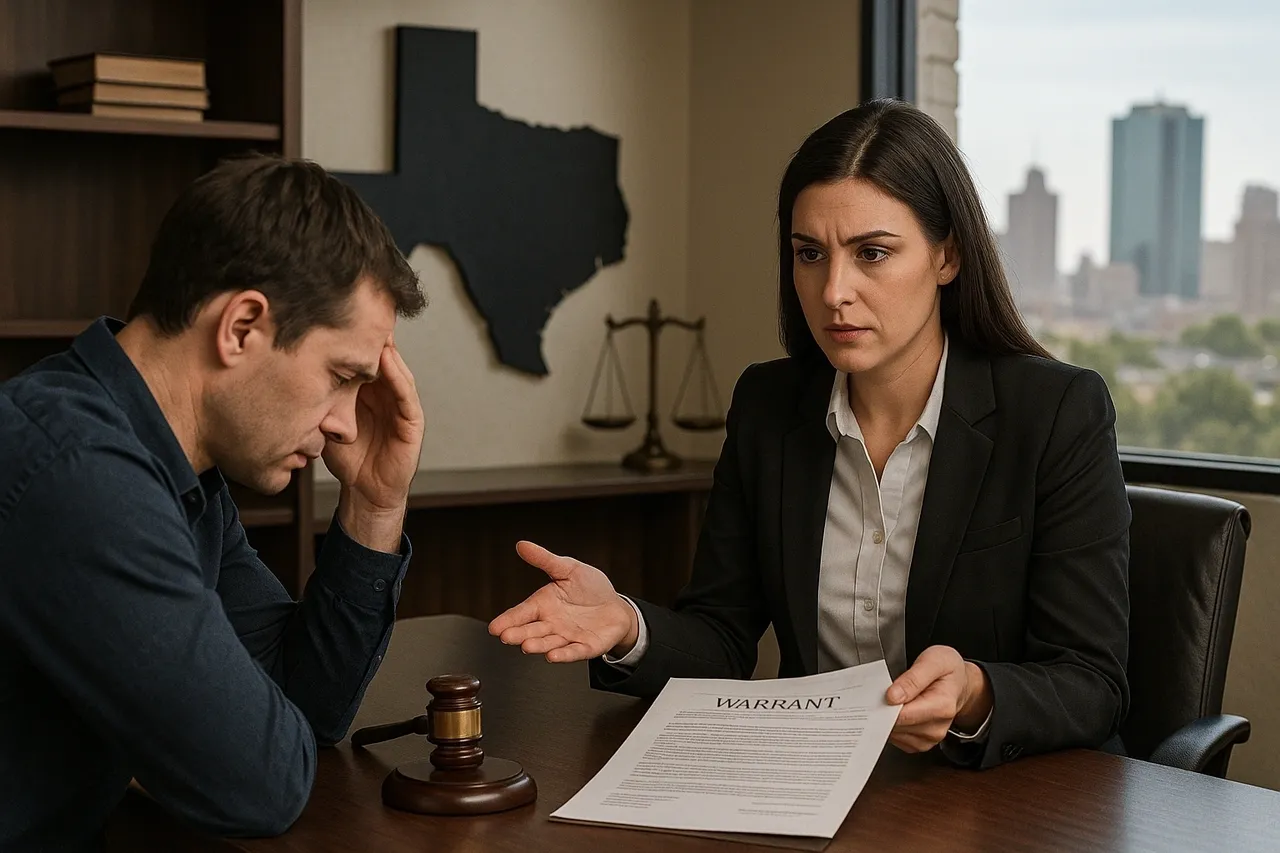
What is a Warrant?
A warrant is a legal document issued by a court that authorizes law enforcement to take specific actions, such as arresting an individual or searching a location, based on evidence of potential criminal activity. Understanding the types—primarily arrest warrants (for taking someone into custody) and search warrants (for examining property or persons)—is crucial, as each carries distinct implications under Texas law. Warrants ensure that actions by police are grounded in probable cause, protecting constitutional rights while enabling justice.
At The McLarty Law Firm, Chelsi McLarty, your trusted warrant attorney in Fort Worth, demystifies these processes with clarity and compassion, helping clients grasp their rights from the outset.

Issuance of a Warrant
Judge’s Review
The judge or magistrate carefully examines the request, including affidavits and sworn statements, to verify that probable cause exists. This review safeguards against unfounded intrusions, ensuring the evidence meets legal standards. If the threshold is met, the judge signs the warrant, granting authority for the specified action. This step underscores the judiciary's role in balancing public safety with individual protections.
Warrant Execution
Once approved, the warrant falls to law enforcement officers, such as Fort Worth police or Tarrant County sheriff's deputies, for execution. They must act reasonably and within the warrant's scope, which could involve an arrest, a search, or both. Timeliness is key: Warrants must be carried out without undue delay to maintain their validity and relevance.
Arrest or Search
For an arrest warrant, officers locate and detain the individual, often transporting them to the Tarrant County Jail for processing. A search warrant targets specific items or areas, such as:
- Stolen or illegal property
- Illegally possessed items
- Obscene material
- Drugs or drug paraphernalia
- Weapons used in a crime or illegally obtained
- Implements, evidence, or instruments connected to a crime
- People or bodies
- Computers or data
These searches are limited to what’s described in the warrant, preventing overreach.
What’s Next?
If you've been served with a search warrant in Tarrant County, it's a signal that you're entangled in a criminal investigation—contact a skilled Fort Worth criminal defense attorney without delay. As your local warrant specialist, Chelsi McLarty at The McLarty Law Firm stands ready to intervene.
Notification
After execution, officers typically provide the arrested person or property owner with a copy of the warrant. This promotes transparency, detailing the legal basis and your rights, so you can respond informedly.
Compliance and Legal Representation
Always follow officers' directives during service to avoid escalating charges for obstruction. However, exercise your right to remain silent and request an attorney immediately. An experienced advocate can review the warrant's validity, challenge procedural errors, and protect your interests from the start.
Compliance and Legal Representation
Always follow officers' directives during service to avoid escalating charges for obstruction. However, exercise your right to remain silent and request an attorney immediately. An experienced advocate can review the warrant's validity, challenge procedural errors, and protect your interests from the start.
How Do I Find Out if I Have a Warrant?
Active Warrants – Click Here, but Tarrant County restricts criminal warrant information to licensed bondsmen or attorneys for privacy and security reasons. To discreetly check for a criminal warrant, consult a Tarrant County criminal defense lawyer right away—Chelsi McLarty can handle this confidentially on your behalf.
For active misdemeanor warrants, you may search online via the Tarrant County Justice of the Peace Courts’ active warrants list, contact the issuing police department, or let our firm investigate to preserve your anonymity.
What Should I Do?
What Should I Do?
Fort Worth Warrant Attorney
Frequently Asked Questions About Warrants in Texas
How to Check for Warrants in Fort Worth, Texas?
In Fort Worth, start with the City of Fort Worth Municipal Court’s online warrant lookup tool to search by name or citation number. For Tarrant County-wide checks, use the Justice of the Peace Courts’ active warrants list, updated monthly. You can also visit the Tarrant County Sheriff’s Warrant Division in person at 200 Taylor St, 6th floor, Fort Worth, TX 76102, or call 817-884-1213 for guidance. For privacy, especially with criminal matters, it’s best to have an attorney like Chelsi McLarty conduct the search on your behalf.
How Do I Check if I Have a Warrant in Texas?
Texas warrant checks are county-specific, as there’s no statewide public database for all warrants. Visit your local county sheriff’s office website, justice court portal, or municipal court lookup (e.g., Tarrant County’s tools for Fort Worth residents). Provide your name, date of birth, or case number for searches. If unsure, contact the issuing agency directly or enlist an attorney to query discreetly without alerting authorities.
Are Warrants in Texas Public Information?
Yes, arrest warrants and supporting affidavits are generally public records under Texas law, accessible once issued to promote transparency. However, some counties, like Tarrant, limit direct release of criminal warrant details to the public for security reasons, restricting access to attorneys or bondsmen. Court records remain open via official channels.
How Long Can a Warrant Stay Active in Texas?
Warrants in Texas have no expiration date and remain active indefinitely until resolved by arrest, court recall, or cancellation. They persist even beyond statutes of limitations for the underlying offense, potentially leading to arrest years later.
How Long Does a Warrant Stay Active?
As noted above, Texas warrants stay active without a time limit until officially quashed or executed. Proactive resolution is key to avoiding long-term risks.
How Long Does It Take for a Warrant to Be Issued in Texas?
The timeline varies but is typically swift: from a few hours to several days after probable cause is presented to a magistrate. In urgent cases, it can happen in minutes; in others, review by the district attorney may extend it slightly.
Facing a warrant doesn’t define you—it’s a temporary challenge that, with the right support, can be overcome swiftly and sensitively. At The McLarty Law Firm in Fort Worth, Chelsi McLarty embodies unwavering empathy and unyielding advocacy, drawing on her peer-recognized expertise as a 2025 Top Attorney to shield you from unnecessary hardship and reclaim your stability.
Imagine the relief of knowing an ally is methodically dismantling barriers, turning fear into fortitude, all while honoring your story with the respect it deserves. Don’t let uncertainty linger; schedule your confidential consultation today at (817) 900-3235, stop by 855 Texas St #140, Fort Worth, TX 76102, or visit https://mclartylawfirm.com/. Your path forward starts with one compassionate call—let us light it for you.